Redwood Smiles • Orthodontics & Growth
When Should Your Child Have an Orthodontic Evaluation?
The American Association of Orthodontists recommends an orthodontic check when a problem is noticed and no later than age 7. That does not mean every child needs braces or early treatment.
Quick answer
By age 7, an orthodontic evaluation can provide useful information about how the teeth and jaws are developing. The result may be treatment, observation, or simply no action yet.
Why Is Age 7 an Important Time?
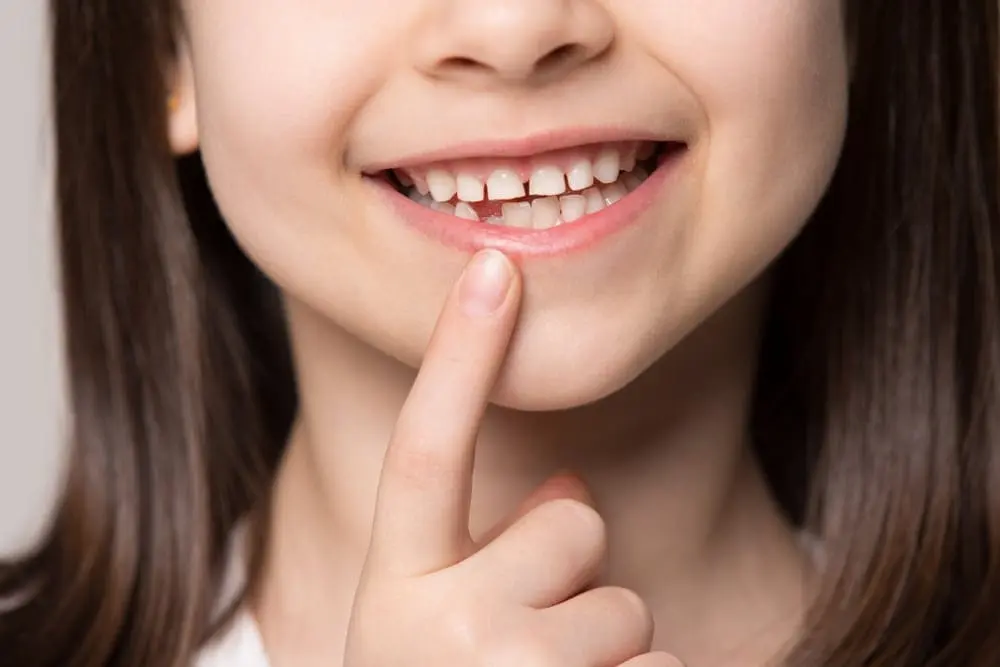
Around age 7, many children have a mix of baby and adult teeth. This stage can make it easier to see how permanent teeth are coming in and how the upper and lower jaws fit together.
An evaluation can help identify a bite problem, limited space, an unusual path of eruption, or another growth concern before all adult teeth have arrived. Finding an issue early does not prove that early treatment is needed. It gives the family information and a chance to plan.
Learn more about orthodontic care at Redwood Smiles.
Does an Early Evaluation Mean Early Braces?
No. Many children who are evaluated at age 7 do not start treatment then. The clinician may recommend routine dental care and another orthodontic check later.
For some developing problems, early treatment may help guide growth, protect teeth, or create space. For others, waiting until more adult teeth have come in may be the better choice. Families should receive a clear explanation of the concern, the options, the expected timing, and what may happen if treatment is delayed.
What Signs May Lead to an Earlier Check?
Parents and caregivers do not need to diagnose an orthodontic problem. Still, it is reasonable to ask about an evaluation if you notice:
Upper or lower teeth that do not meet in a usual way
An underbite, crossbite, or teeth that stick out
Crowding or very limited space for new teeth
Large or unusual spaces between teeth
Baby teeth lost much earlier or later than expected
Difficulty biting or chewing
Ongoing thumb or finger habits that may affect the bite
A jaw that shifts when the child closes
What Happens During an Orthodontic Evaluation?
The clinician will usually ask about the child’s dental and health history and examine the teeth, bite, and jaw relationships. Dental images, photographs, scans, or models may be considered when clinically appropriate. Not every child needs the same records at the first visit.
Questions parents can ask
- What are you seeing now?
- Does my child need treatment, observation, or no orthodontic follow-up?
- If treatment is recommended, why is this the right time?
- What alternatives should we consider?
- How will this affect regular dental care?
The answers should help the family understand the decision rather than feel pressured to start immediately.
What If the Recommendation Is to Wait?
Observation is an active plan, not a missed opportunity. The clinician may want to watch how adult teeth erupt or how the jaws grow. Follow-up timing will depend on the concern.
Continue regular dental visits and home care during this period. Healthy teeth and gums are important whether orthodontic treatment starts soon, later, or not at all. Tell the dental team if you notice pain, trauma, a sudden bite change, or another new concern between evaluations.
Who Can Help Plan the Timing?
A child’s regular dental professional may be the first person to notice an unusual eruption pattern or bite. An orthodontic evaluation can then provide a closer look at alignment, jaw relationships, and growth.
The important part is a clear, individual recommendation. Ask who will perform the evaluation, what credentials they hold, and whether the plan is to treat, monitor, or take no action now.
Plan the Right Check at the Right Time
An orthodontic evaluation by age 7 can provide useful information while a child’s mouth is still developing. It does not mean every child needs braces or early treatment. The next step may simply be to keep watching growth.
Frequently Asked Questions
Is age 7 too early for an orthodontic evaluation?
No. The AAO recommends a check no later than age 7 because developing teeth and jaw relationships can be assessed at that stage. Many children will not need treatment at that age.
Can my child's regular dentist tell us when to seek an evaluation?
Yes. A general or pediatric dental professional may notice changes in tooth eruption or the bite and recommend an orthodontic evaluation. Parents can also ask about a check if they notice a concern.
What if my child is older than 7 and has never had an orthodontic check?
You can ask for an evaluation now. Age 7 is a recommended time for a first check, not a deadline after which care is no longer useful.